


Beyond the Budget: Data-Driven OTB Strategies to Improve Cash Flow
Beyond the Budget: Data-Driven OTB Strategies to Improve Cash Flow
Table of Contents

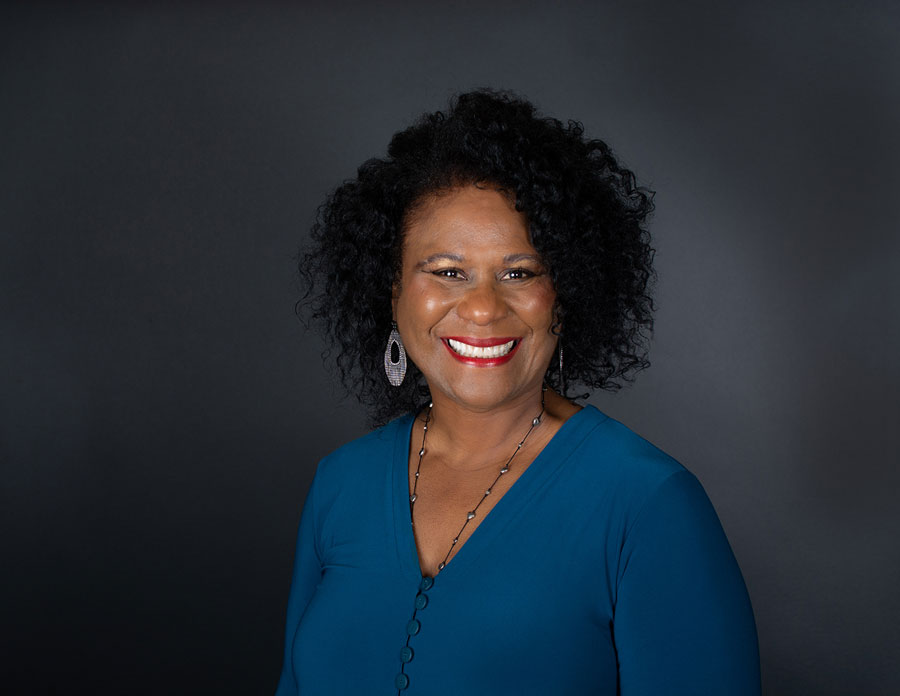
Hey there! I’m Audrey Watson
A Retail Strategist, Consultant and Coach who works with independent speciality retailers who want increased growth, sales and profitabilty.
I’m here to help you feel good about your business and welcome more success and ease so that you can achieve what you want and more.
Every piece of inventory you place on your sales floor represents a choice. It represents your vision, your brand, and your commitment to your customers. But most importantly, it represents an investment in the future of your business. Spending your Open-to-Buy (OTB) dollars is about far more than just filling empty shelves. It is about creating lasting value and building a retail operation that thrives year after year.
The purpose of this guide is to help you rethink how you view your buying process. We will explore what it truly means to maximize your OTB budget and why making data-driven decisions is the ultimate key to consistent success. By moving away from guesswork and embracing clear insights, you empower yourself to predict trends and plan effectively.
In this post, you will learn:
- What it means to treat your OTB dollars as strategic investments rather than spending limits.
- Why relying solely on guesswork—without data to support your choices—can hold back your growth and create unnecessary stress, even though trying new things (a form of trial-and-error) is a natural part of indie retail.
- How independent retailers use data to build true, transferable value in their business while still leaving room for creative exploration.
- Why clear systems simplify your process and lead to predictable, profitable outcomes.
What It Means to Go Beyond the Budget
When you hear the word “budget,” it often feels restrictive. A budget sounds like a limit placed on your creativity. However, your OTB dollars are the exact opposite. They are the fuel that drives your sales, engages your customers, and funds your future. Going beyond the budget means shifting your mindset from “How much can I spend?” to “How effectively can I invest?”
Every dollar you allocate toward new merchandise should serve a specific purpose. It should attract your ideal customer, move quickly off the shelf, and generate a reliable return. This is where data steps in to guide your hand. Data isn’t just numbers—it’s the key to making confident, informed decisions.
When you go beyond the budget with the right approach:
You can stop guessing and start knowing. You spend more of your OTB dollars on the best-performing vendors in each category.
You can look at your purchasing plans and feel a profound sense of confidence. You know which merchandise categories you can safely take risks in and which to err on the side of caution.
You rely on a clear understanding of what your customers actually want, making your buying trips exciting rather than stressful.
Why Guesswork Limits the Growing Retailer
Growth brings complexity. When your store first opened, managing inventory by walking the floor and looking at the shelves might have worked. But as your revenue climbs, the stakes get much higher. A mistake that costs a few hundred dollars in your first year can easily become a massive cash flow issue as your business expands.
Consider the retailer generating between $750,000 and $1,000,000 in annual revenue. Reaching this milestone is a massive achievement. You have proven that your concept works. You have built a loyal customer base and a recognized brand in your community. Yet this is precisely the stage where trial-and-error approaches begin to break down.
The $750k to $1M Hurdle
At the $750,000 to $1,000,000 revenue mark, you are buying inventory at a volume that requires serious planning. A misstep here means tying up critical capital in slow-moving stock. Do you ever feel like you are working harder than ever, moving massive amounts of product, but the cash in the bank does not reflect your effort?
This happens when OTB dollars are spent without clear insights. Guesswork at this level creates markdown problems. It forces you to discount heavily to clear out mistakes, which eats directly into your profit margins. Using data and systems to make confident choices changes this entirely. You stop hoping items will sell and start investing in the categories that actively grow your bottom line. You reclaim your cash flow and protect your hard-earned margins.
Scaling Up: The $1M to $5M Retailer
Now, imagine the retailer doing $1 to $5 million in annual sales per location. At this level, you might be managing multiple storefronts or a massive flagship location. The complexity here is intense. You are no longer just buying for one customer demographic; you might be balancing different preferences across different zip codes.
At this multi-million dollar level, maximizing OTB dollars is about strategic alignment. Do you know exactly when to bring in transitional merchandise to maximize full-price selling weeks? Do you have clarity on which locations move specific categories faster?
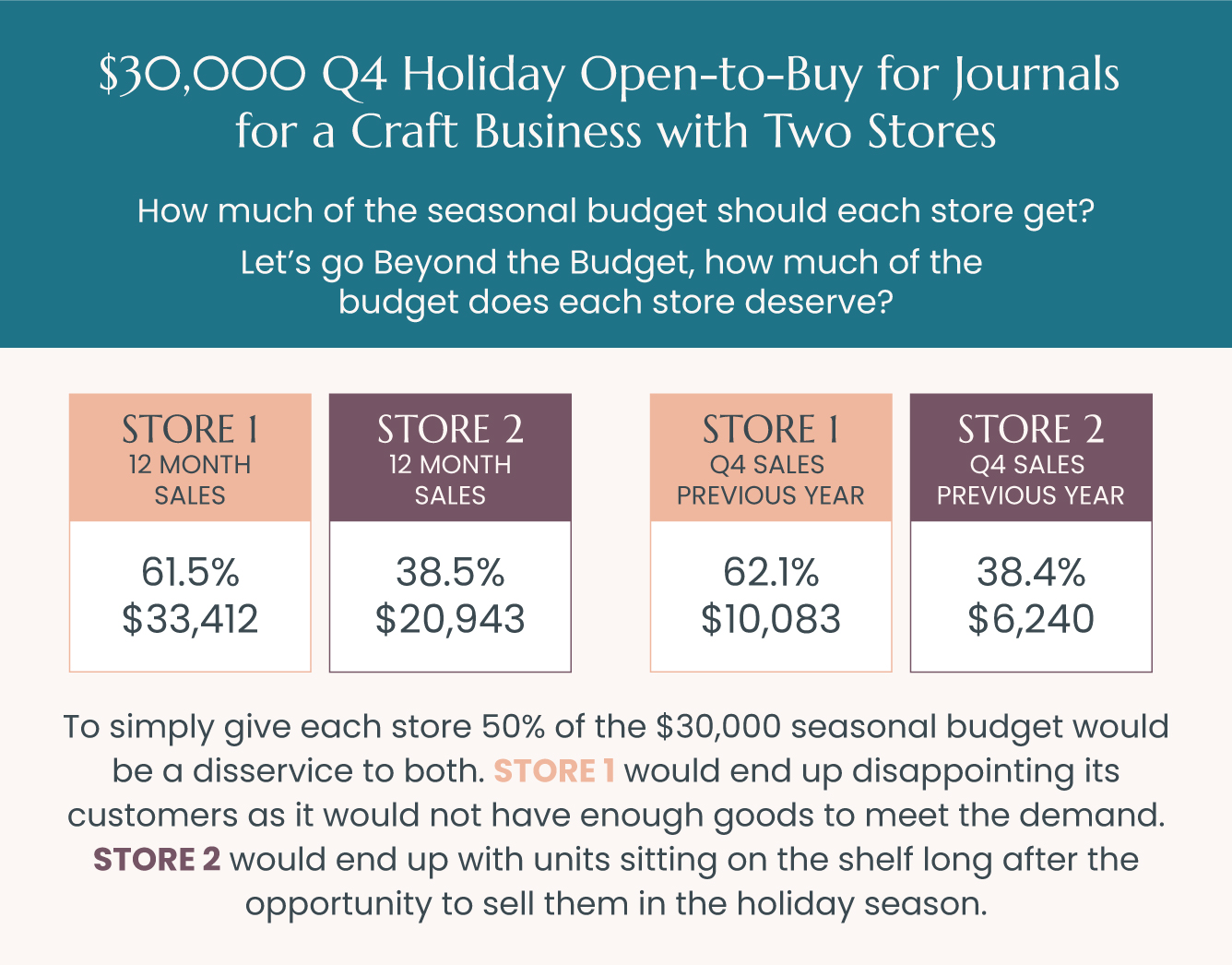
Data removes the friction from these massive decisions. Retailers at this tier who embrace data, report a night-and-day difference in their operations. They describe a sense of overwhelming relief. They no longer feel like they are steering a massive ship blindfolded. Instead, they use data to predict trends, shift their OTB allocations dynamically, and keep their inventory fresh and exciting across every single location. They turn potential inventory disasters into highly profitable seasons because they saw the trends coming before they happened.
Empowering Your Buying Choices
When you head to market or meet with vendors, you do not need to be overwhelmed by endless spreadsheets. You just need to look at the right information. When you go beyond the budget, you’ll examine:
What categories are driving your profits?
Why are certain brands underperforming?
Which vendors can I play offense with (high sell-through with healthy maintain margins)
Which vendor do I take a defensive position with (lower margins, and/or flat or declining sales)?
When you answer these questions, you build clarity and make better decisions.
At trade shows, you are bombarded with stunning products and persuasive sales pitches. It is incredibly easy to get swept away and spend your OTB dollars on items that look beautiful but do not serve your business goals.
Data acts as your anchor. It empowers you to say “no” to the wrong products and a resounding “yes” to the right ones. It gives you the confidence to negotiate better terms, secure the right quantities, and walk away from deals that do not align with your plan. You become a proactive buyer, not a reactive one.
Predicting Trends and Staying Ahead
Your customers are constantly evolving, and your inventory must evolve with them. Using data allows you to spot subtle shifts in buying behavior before they become massive trends. You can see which categories are slowly gaining traction and which reliable staples are beginning to slow down.
This predictive power is what separates surviving retailers from thriving retailers. You can allocate your OTB dollars to test new categories safely. You can plan your seasons effectively, ensuring you always have the right mix of fresh arrivals and proven bestsellers. This balance keeps your customers engaged, returning to your store week after week to see what is new.

Your Next Steps Toward Confident Buying
Spending your OTB dollars wisely is the most powerful lever you have for retail growth. It transforms your inventory from a source of stress into a dynamic engine for profitability. By shifting your mindset and viewing data as your most trusted advisor, you unlock the true potential of your business.
Remember the core message: Data isn’t just numbers—it’s the key to making confident, informed decisions. With the right system, you can stop guessing, simplify your processes, and use data to guide your business toward consistent success.
Take a moment this week to reflect on your current buying process. Are you relying too heavily on your gut? Are you carrying the stress of unsold inventory?
Decide today to make a change.
Start reviewing the systems and metrics you use to make buying commitments.
- Do you review last season’s or last year’s sales before buying for the next season?
- Does your return on investment, ROI for every vendor, exceed your expenses as % sales?
- Are your initial markups high enough? Do you know what your store-level IMU% needs to be to generate enough cash?
If you cannot answer all three of these questions, click here to schedule a strategy call with me.
Commit to seeking clarity before you spend your next OTB dollar. You have worked incredibly hard to build your store. You deserve to experience the growth, profitability, and peace of mind that come from making truly informed decisions.
Take the First Step Today
Whether your business has been open for one year or ten, the savvy indie retailer always looks for ways to improve, make progress, and grow their business.
It doesn’t matter where you are in your journey of entrepreneurship. Whether all of this is new to you or if you’ve been at it a while, an objective Inventory Evaluation will provide:
- Outside eyes to see the business’s potential.
- Insight into any red flags that require immediate attention, or what additional resources may be necessary to help you, the owner, build the desired value.
- Outside eyes to confirm that you are taking the right steps toward the solution.
Click here to schedule a strategy call with me.
To your Improvement, Progress, and Growth!
Audrey
Related Posts

Hey there!
I'm Audrey!
A Retail Inventory Strategist, Consultant and Coach who works with independent speciality retailers who want increased growth, sales and profitability.
I'm here to help you feel good about your business and welcome more success and ease so that you can achieve what you want and more.